
Digbeth’s culture has been shaped by its independent venues, local artists and industrial landscape. However, as redevelopment plans threaten to erase and displace parts of the area’s distinctive character, Birmingham faces a difficult question: what happens when the spaces that give an area its identity are put at risk in the name of progress?
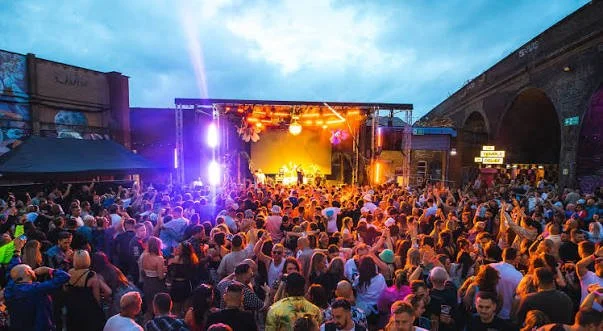
Luna Springs
A £1.75 billion railway expansion plan could put dozens of businesses in danger of demolition or displacement, including venues such as The Night Owl, Mama Roux’s and Luna Springs, which have helped define Digbeth’s nightlife and creative scene. Although investment could potentially develop the area, growing fears emerge that the very culture that has made Digbeth attractive risks being lost in its transformation.
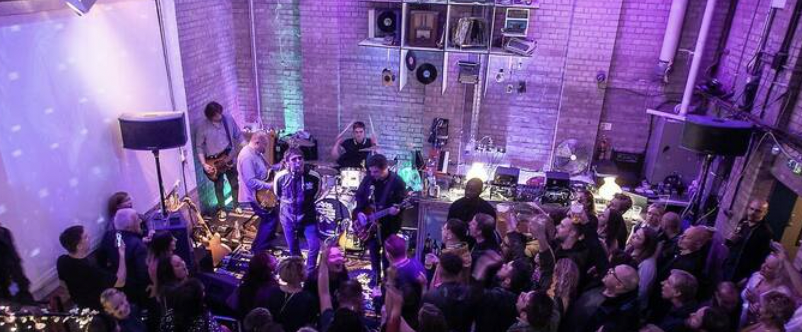
The Night Owl
Known as the city of a thousand trades, Birmingham has always been home to tight-knit communities and its character was built by people making a living and creating something of their own. Within this, located in the very soul of Birmingham’s inner city, Digbeth developed as a manufacturing district. With industrial factories, warehouses and canals shaping its landscape, Digbeth was a hugely essential centre in the second city’s development. Whilst the owners and purposes of these buildings have evolved, the importance of community and culture within them has not, leading to increasing fears and needs to protect this hub of music and culture.
Local artist Ananya Painter, who regularly performs in Digbeth with her band Akasha, explained why these venues mean so much to the people who use them. She highlighted how Digbeth provides a space for people of colour, people of different sexualities and those who fall outside the perceived “norm” to feel comfortable being themselves. While areas like Broad Street can feel unsafe due to increasing racial abuse, Digbeth gives “people like us, emerging artists a chance to reach their city”.
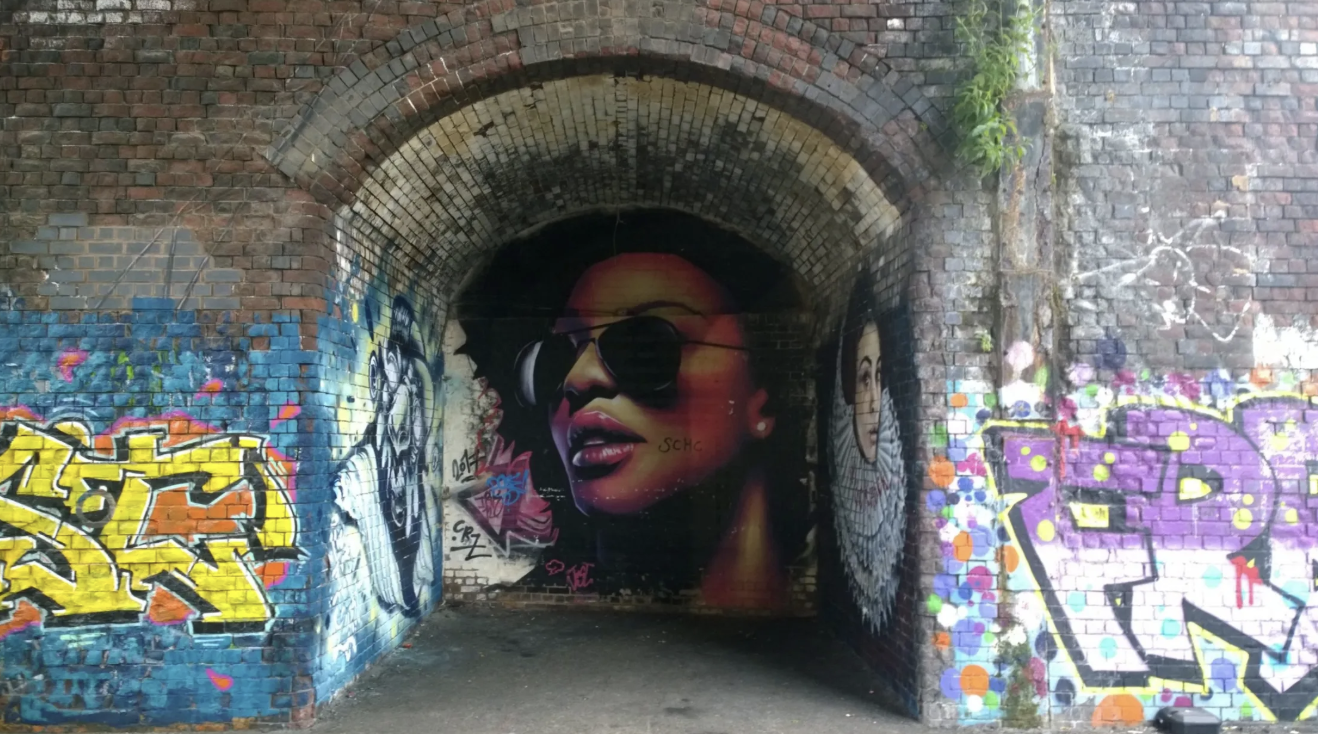
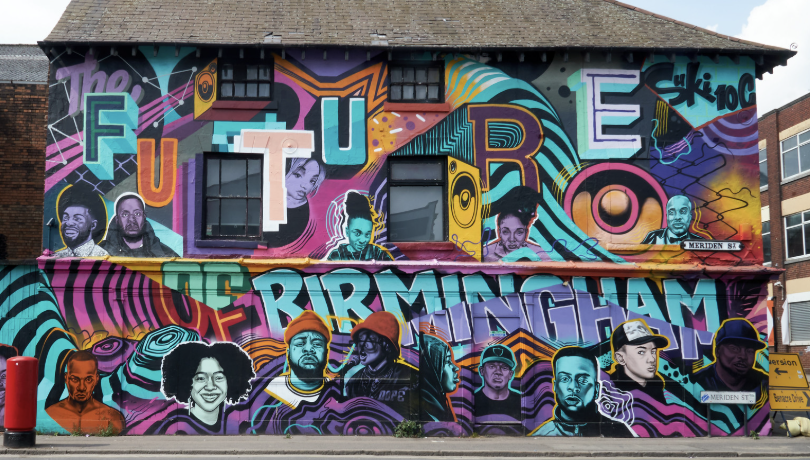
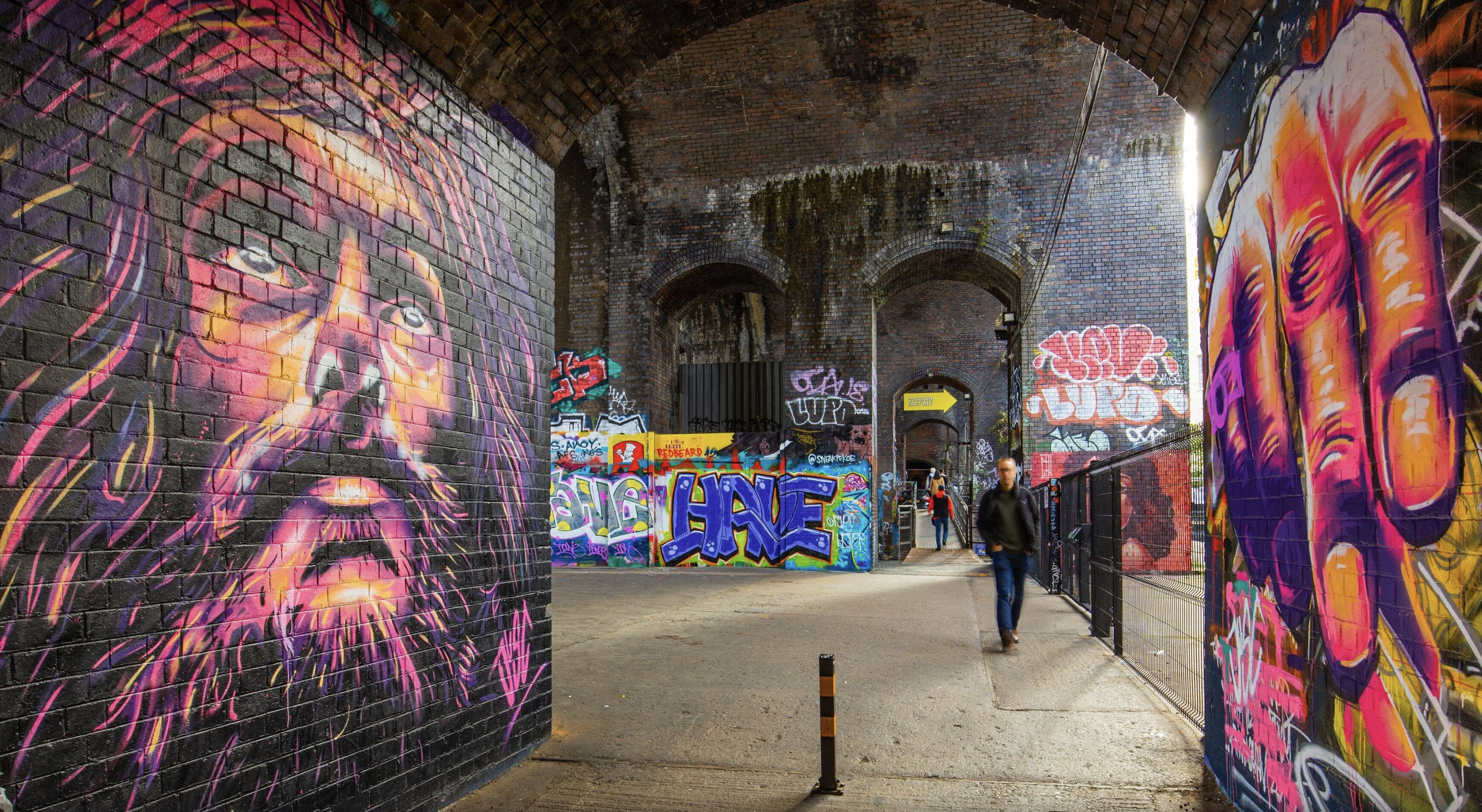
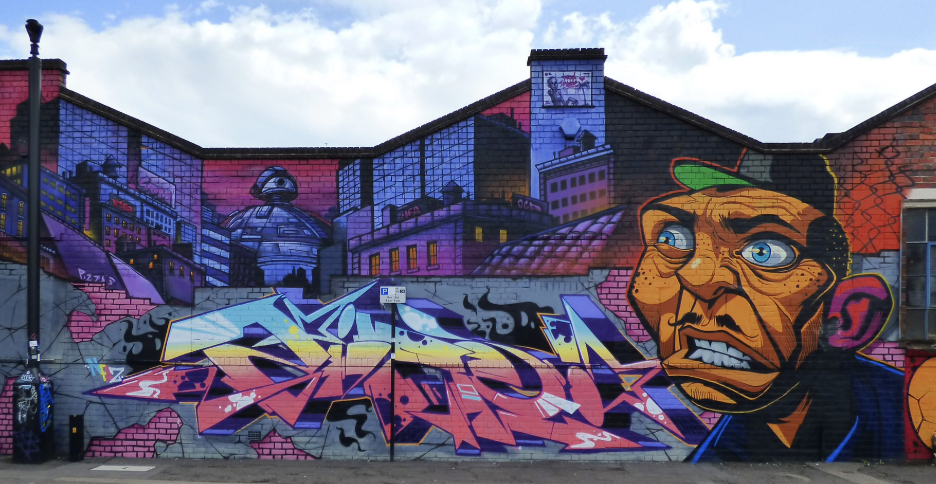
It is also a place where local musicians build connections and find opportunities. Ananya first performed at The Night Owl, and it was in Digbeth that she met both her guitarist and bassist. Her experience shows how much these venues offer beyond a stage: they help create the networks and communities that allow Birmingham’s independent music scene to thrive. Development must not come at the expense of the spaces that give local artists and communities a place to belong.
These concerns have also sparked a wider campaign to protect Digbeth’s music scene. Save Our Scene has been challenging the proposed demolitions, working with KISS radio and hosting the Save Digbeth Block Party to raise awareness of what the area stands to lose. The campaign has also called for fair support and a clear plan for the venues and organisations that could be affected. Its efforts highlight the importance of protecting not just individual venues, but the wider creative community that has grown around them.
Of course, Birmingham requires expansion. As a growing city home to almost 1.2 million people, an extended railway network would naturally benefit the city economically. However, the potential Bordesley Chords demolition plans, putting around 50 businesses at risk of either demolition or displacement mean that bands like Akasha and local businesses suffer a great loss. Regeneration is often presented as a story of success for all by providing new investment and a changing economy, but what happens when the organisations and cultural spaces that give an area its character are pushed aside in the process? Who, then, benefits from the city that emerges?
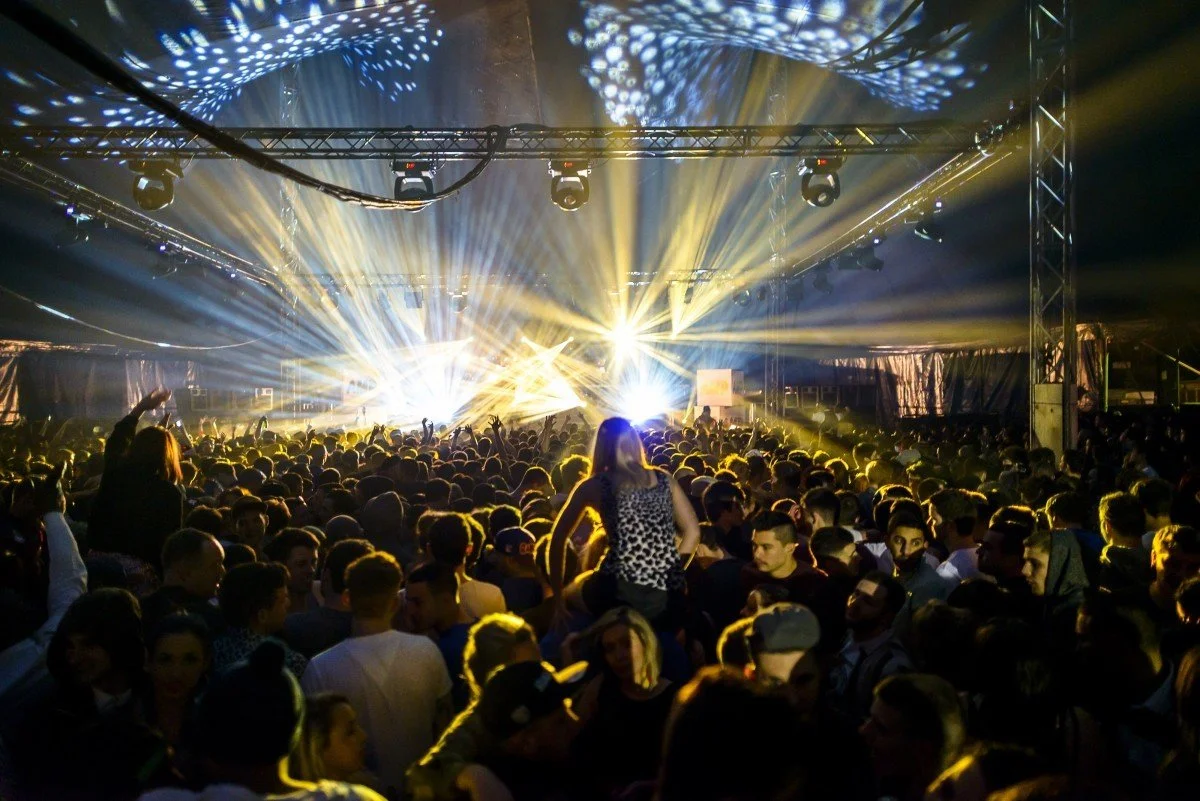
Birmingham’s future shouldn’t come at the expense of the qualities that made it distinctive in the first place. The city has never stopped evolving, but regeneration must benefit the people who give an area its identity, not just those who stand to profit from its transformation. Initiatives such as the Eastside project’s Companion Culture offer one way forward, bringing together Digbeth’s cultural organisations, businesses and developers to protect the spaces that make the area what it is. Among its proposals is securing affordable space for cultural and creative activity, ensuring that economic growth and community access need not be mutually exclusive.
A city’s culture and soul cannot simply be rebuilt once the people and places that created it have been pushed out. These communities deserve to be beneficiaries of its development, not victims of it, and the spaces they have built their identities around must be protected.
Written by Alanah Karemo